



The “Brand Dreams” series explores the dreams of organizations and projects. This time, we share a story we encountered in the Seto Inland Sea, “Setouchi”.
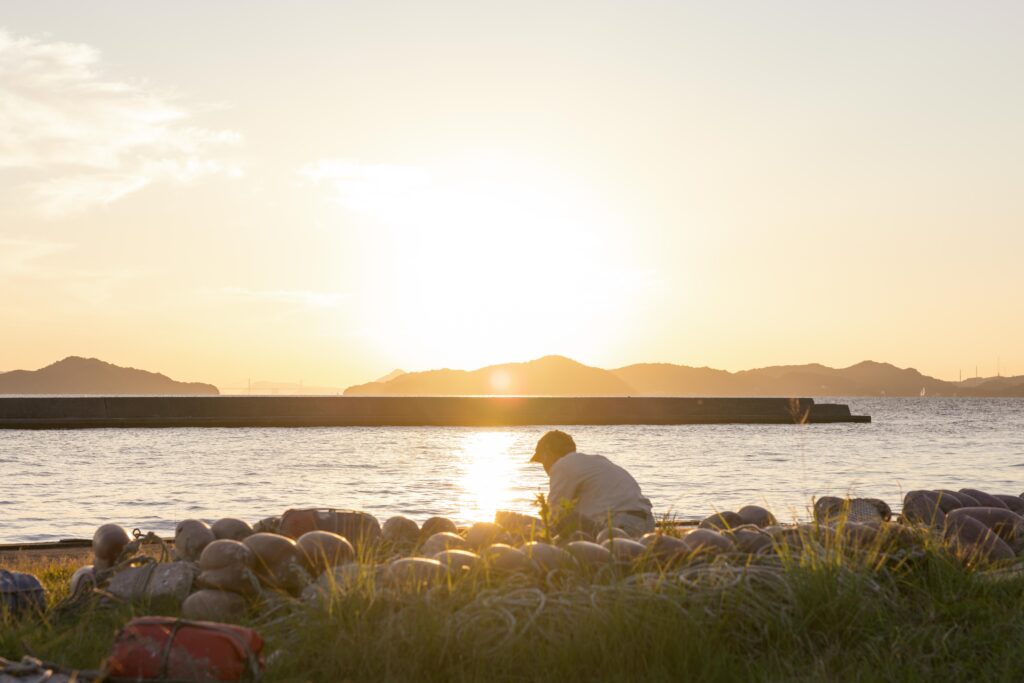
“From the company’s perspective, it felt strange. But what they were saying didn’t feel strange.”
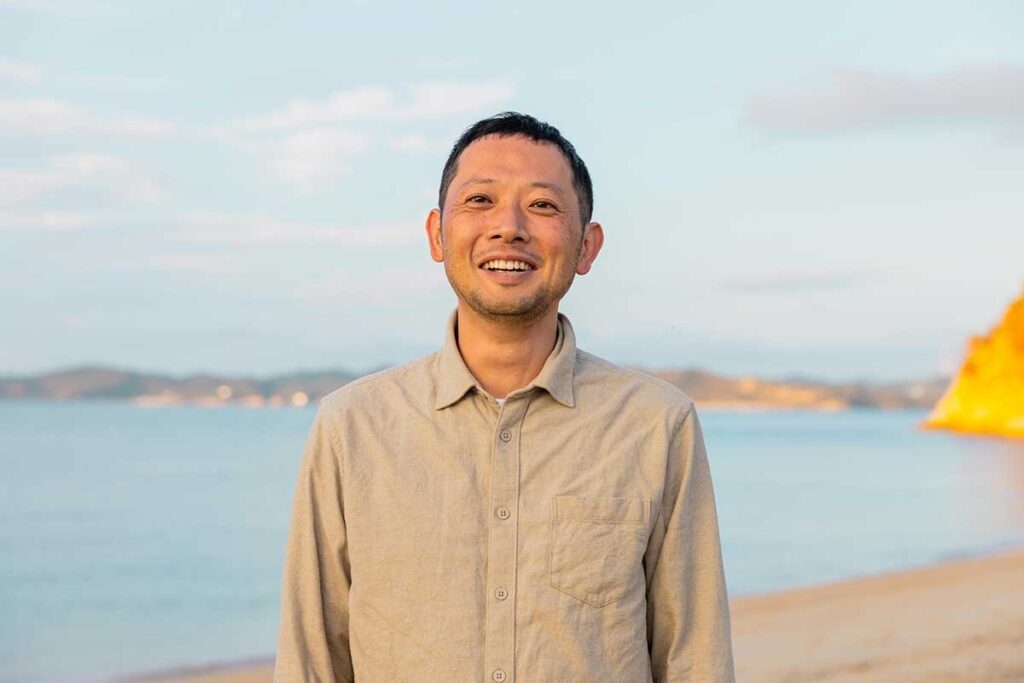
Daichi Sato, who is in charge of on-site management for the “Setouchi Project” at Amuse Inc., said this with a quiet smile.
How did a former city hall employee end up leading a major entertainment company’s regional operations?
What are they trying to create on this small island in the Seto Inland Sea?The more I listened, the more apparent the answer shined.
Profile
Daichi Sato
Amuse Inc., Setouchi Project Manager and Local Supervisor. Originally from Hokkaido, raised in Utsunomiya. Worked for Utsunomiya City Hall for 18 years after studying and researching autism at the Faculty of Education
I have been working with Amuse Inc., focusing on regional revitalization projects based in Teshima since 2022.
The origins of Hokkaido and days spent facing the mountains
—First, tell us a bit about yourself, Mr. Sato. What kind of environment did you grow up in?
I’m from Hokkaido. My father is from Hokkaido, and he ran a fish shop and restaurant in an old market called Sankaku Market in front of Otaru Station, which is where my roots lie.
Eventually, we moved to Utsunomiya because of my father’s job.
My father runs a company, and he’s started businesses such as nursing homes, daycare centers, and projects for people with disabilities.
I was born during the bubble economy era, but my family never experienced the bubble at all (laughs).
So, when it came to having fun, it was going to the mountains and camping. We’d pick and eat horsetails and angelica tree sprouts, and we’d even make our own grasshoppers into a kind of preserved food.
—That sounds like a wonderful environment!
Oh definitely. I realized later that my parents “let me do what I wanted.”
We didn’t have any toys, but it was normal to dig holes and build secret bases, or find other ways to have fun on our own.
—Are there any hobbies you still pursue?
Mountain climbing is like the only place left where I can truly confront myself.
As I climb, I silently engage in Zen-like questioning, such as how I should communicate with the person in front of me, or what I truly want to do.
As you climb, you’ll be moved by how the scenery changes through human effort. The view changes as time passes.
The flow of time seems to change when you’re up in the mountains, doesn’t it?
From the top of the mountain, you can see all the leaves fluttering slowly and clearly.
That’s when I feel like I can calmly consider what kind of time I should be focusing on.
—By the way, what’s your favorite mountain?
If you’re climbing alone, Mount Adatara is the place to go.
Since having children, we’ve climbed Mt. Asahi in Nasu together, and also places like the Yatsugatake Mountains, which I enjoyed visiting when I was a child.
However… since coming to the Setouchi region, there are no mountains in front of me, which is a little stressful (laughs).
—I’ve asked this at the beginning and end of this question, but what is your “dream,” Mr. Sato?
Yes, I think the underlying motivation is that I want everyone I meet and everyone I know to be happy.
From government to local communities—”Ambiguous boundaries” revealed through a sense of unease
—You were researching autism at university, right?
At university, I studied autism in the Faculty of Education.
I actually met autistic twins and their mother through my research, and seeing their daily struggles allowed me to discover a world I had never known before.
Within that context, I realized that human energy comes in many forms, and that each of these forms has its own choices and its own small ways of finding happiness.
I wanted a job where I could focus on each individual rather than thinking about the happiness of millions of people at once. That’s why I wanted to become a teacher.
—How did you end up choosing city hall as your workplace?
I wanted to become a teacher, but then I realized I had absolutely no work experience.
If I become a teacher without ever having worked anything other than part-time jobs, I won’t be able to teach the children anything.
I joined Utsunomiya City Hall because I heard I could be involved in various types of work.
—I heard your first assignment was interesting.
I used to work in the tax department, collecting taxes (laughs).
After that, I had the opportunity to work in various departments, including the development of the area in front of Utsunomiya Station, industrial development in the economic department, and regional revitalization in the Oya area.
—What prompted you to leave city hall after 18 years?
What I’ve noticed during my 18 years or so working at city hall is that there’s a clear “line” between the government and the private sector. Of course, I don’t think I was able to grasp everything properly.
From an administrative standpoint, there’s a limit to what one’s role can do, but living in a community means more than just that.
I felt that the “line” between businesses and farmers was more ambiguous, as it’s something that can only be sustained through the cooperation of everyone involved, and that truly engaging with the community requires a long-term commitment.
When I imagined what my life would be like in my community when I reached my 40s, 50s, and 60s, given the way the government operates, I always felt a sense of unease.
I knew it couldn’t be done by private companies alone, but then I met the people at Amuse.
I became involved in the “Setouchi Project,” and the executive in charge who was the catalyst for it…What he was talking about was, well, more “vague.”
They’re not involved with the government or the private sector, but rather because they find the region appealing. I really resonate with that stance.
—But you also felt some unease about the company Amuse itself, right?
That’s right (laughs).
From the company’s perspective, I think I joined a place that was the least suitable for me.
The word “ambiguous” felt out of place given the company’s image.
But what they were saying didn’t seem strange to me.
The executives who invited me always spoke with “the region” or “the people of the island” as the subject. Their words weren’t centered on themselves. There was respect for that region.
Furthermore, there are no boundaries between government and private sectors.
Because I love that place, regardless of my position, I want to figure out how to shape things, how to involve people, and do various things that fit better into that place.
I felt like I could build lifelong relationships with people here, and that was the deciding factor.
The beginning of the Setouchi Project
—Could you tell us again what kind of initiative the Setouchi Project is?
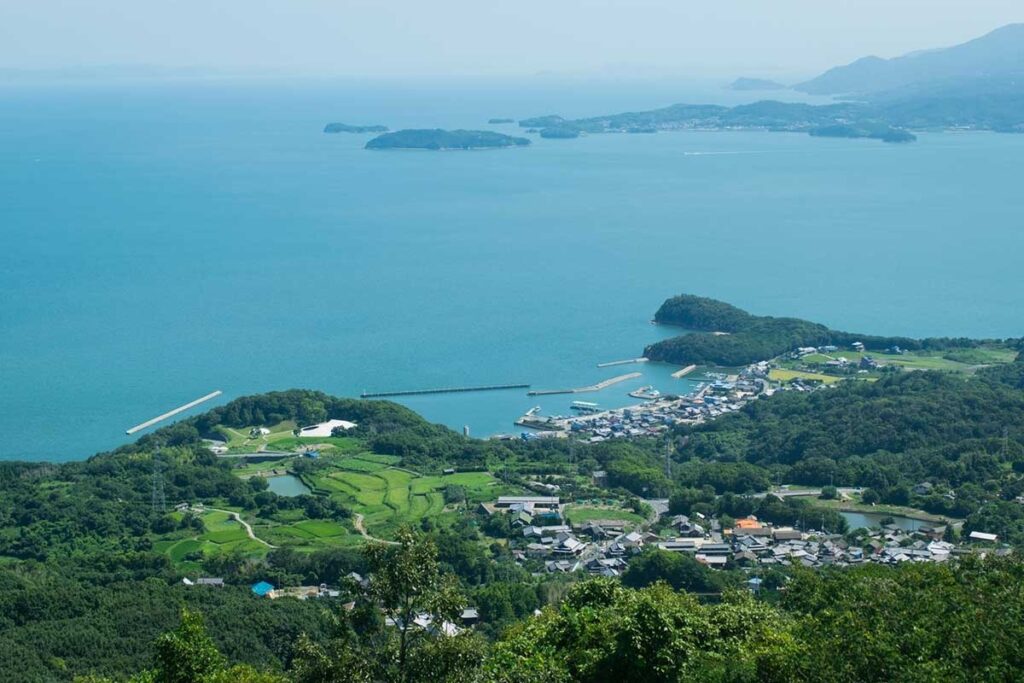
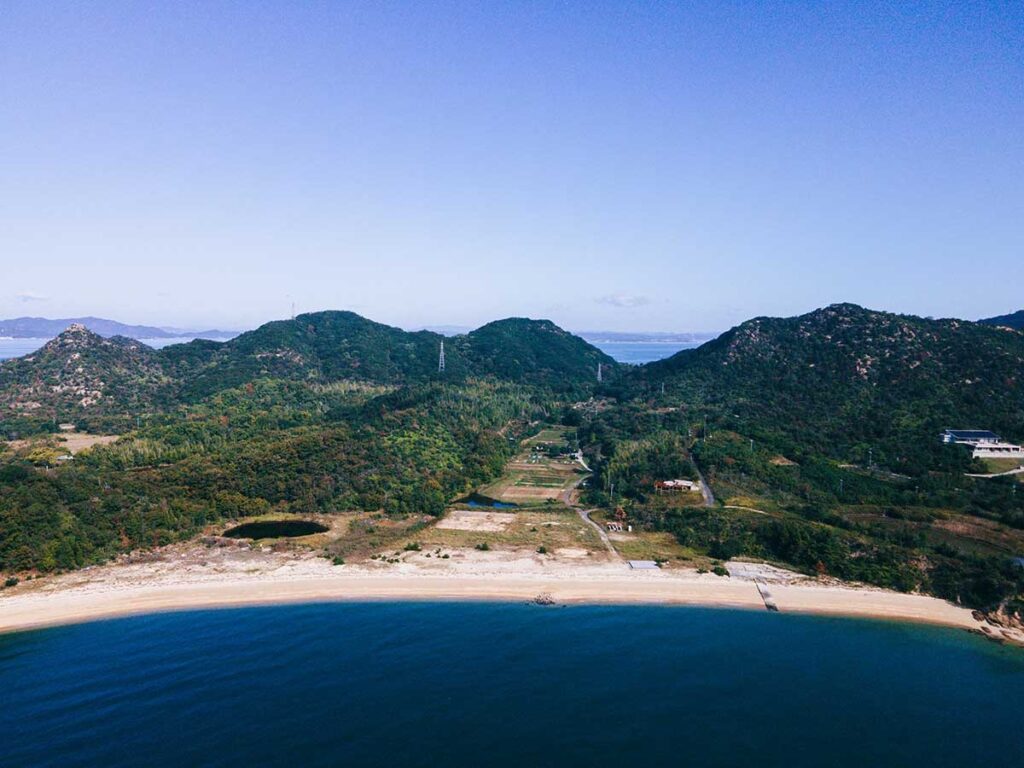
There is a small island called “Teshima” located roughly halfway between Shodoshima, an island in the Seto Inland Sea, and Naoshima, an island known for its art.
This project uses that as its stage to showcase the many exciting things that still exist in Japan’s regions, and to create businesses that connect those regions, the people who live there, and people around the world.
Simply put, it’s the tourism industry, but it’s not just about attracting tourists; it’s about doing things in a way that’s unique to the region.
—What did you start with?
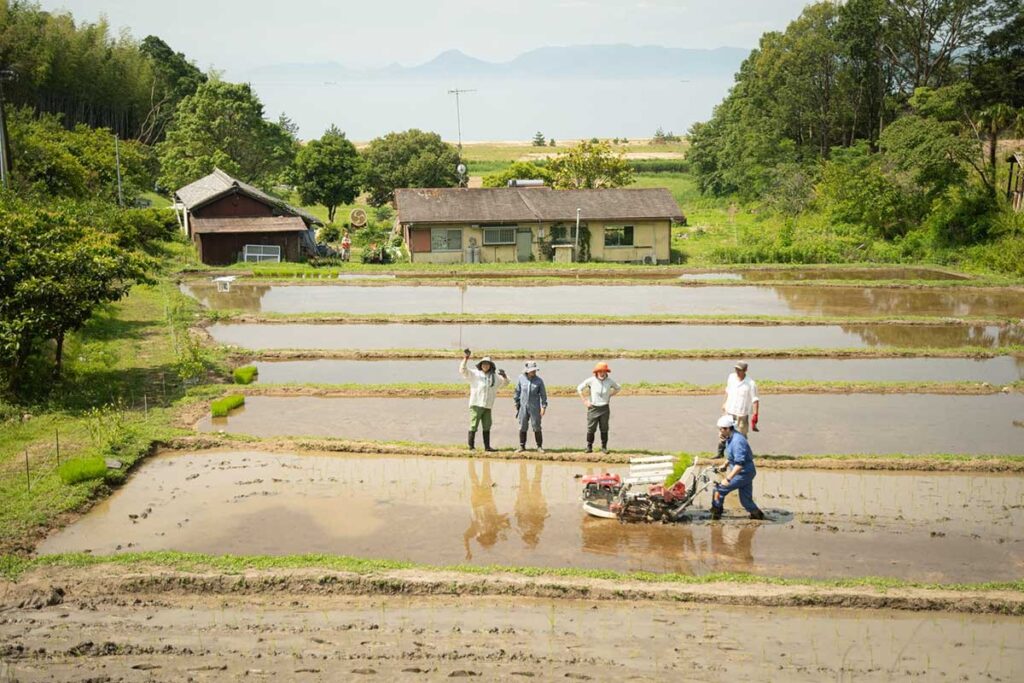
It all started when I got involved in revitalizing a sustainable agricultural system called “three-dimensional agriculture,” which has been practiced on Teshima Island for generations.
With guidance from the island residents, we started from scratch to revitalize Mikogahama Farm.
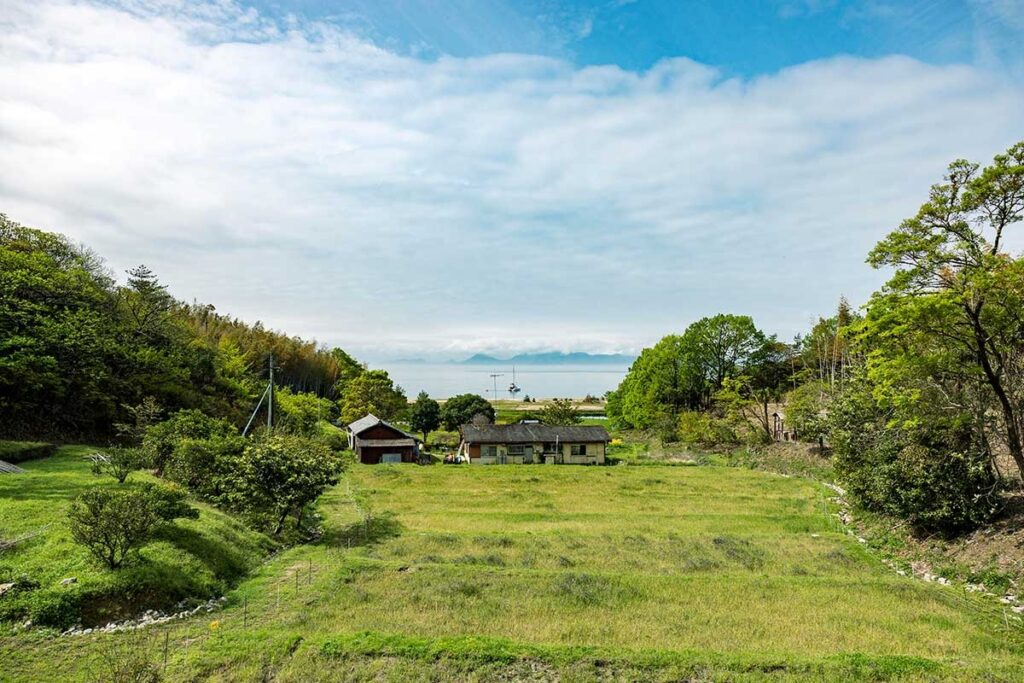
The “wealth” and “potential for growth” of a region that cannot be measured by numbers alone.
—So, the first step was the revitalization of the farm, right?
Yes. Teshima is a really small island, and if you try to evaluate it based solely on numbers, it might appear to be a place with challenges such as a declining population and an aging population.
There weren’t many people there, really.
But by staying there, meeting the islanders, sharing meals with them, and learning about island life, what we wanted to do became much clearer.
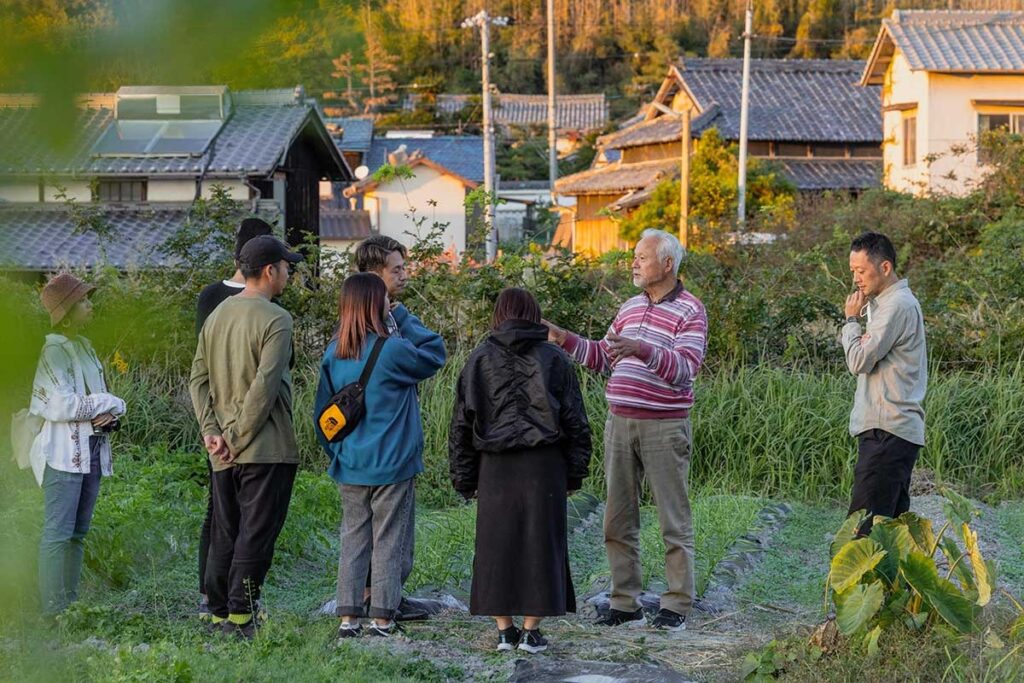
I think that everyday life and local communities in Japan have a lot of room for growth, beyond the richness and evaluation we can grasp using the numbers we’re familiar with.
I believe that trying to develop a business solely through our existing network presents challenges in terms of sustainability. This project aims to leverage that growth potential by engaging with people around the world and making them aware of our business, using “tourism” as a tool.
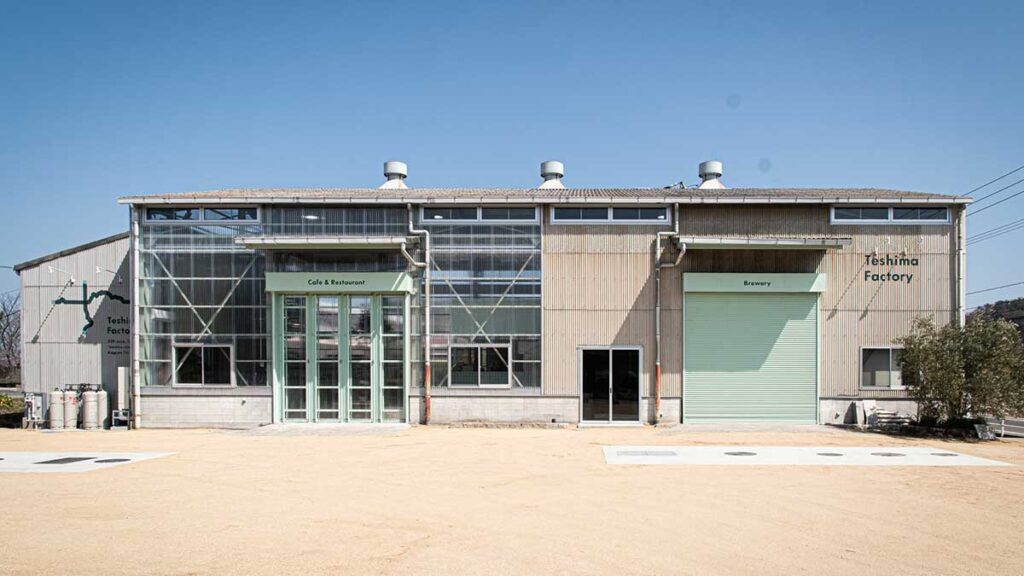
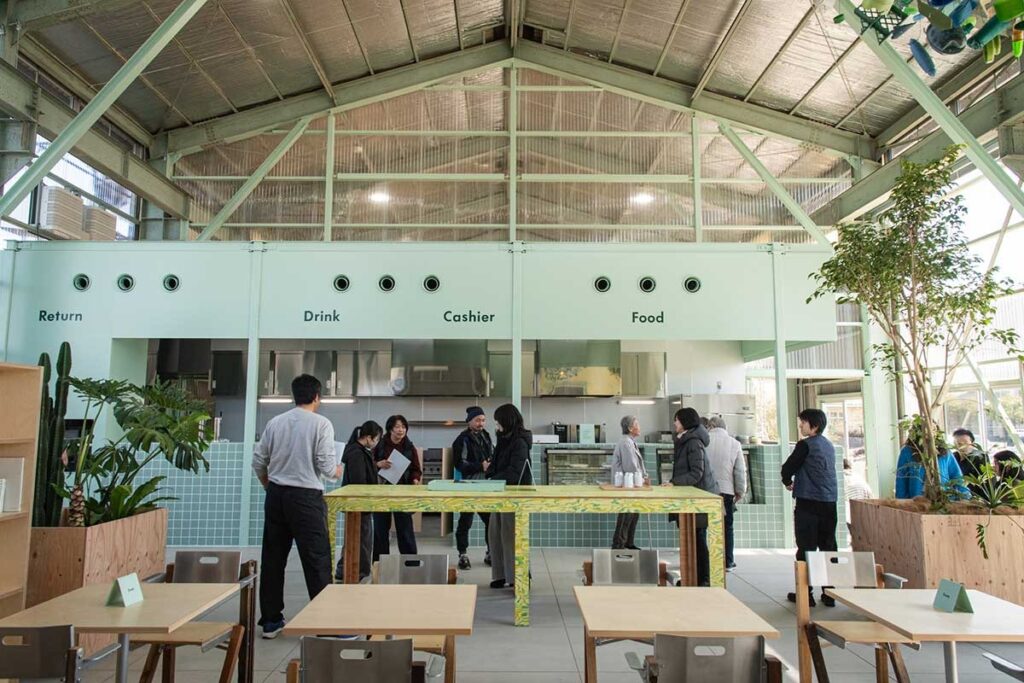
Following the farm, “Teshima Factory” was created as a place where people could learn about the daily life of the island through food.
<URL: https://www.instagram.com/teshimafactory/ >
—So, the first place where you introduced the daily life of the island to tourists was “Teshima Factory,” right?
Yes. The farm isn’t for tourism; we want to keep agriculture as a means of livelihood.
While diligently ensuring the continuation of the essential aspects of local livelihoods, we will showcase the best parts of the region through tourism.
Ultimately, I want to do things properly, so that’s how I’ve organized my thoughts.
There was a lot of discussion about the name “Factory,” but it was a factory where someone who loved the island used to repair boats and other things, so we really wanted to retain that feeling.
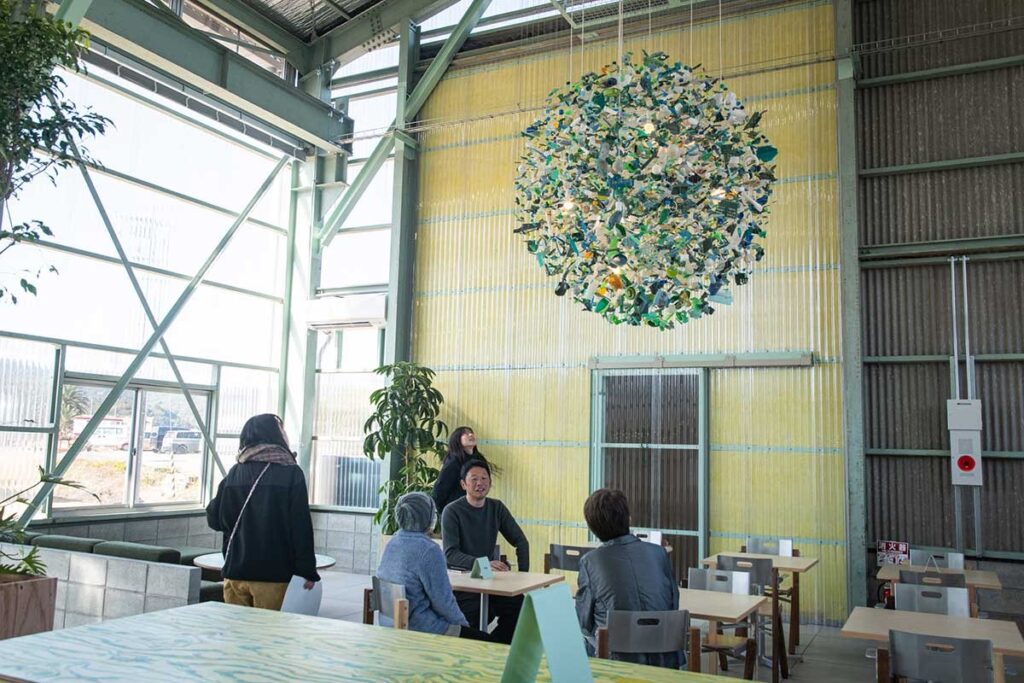
—You also make beer, right?
We started brewing it last July. Our focus is on making “regular beer.”
—A “regular” beer, you say?
Yes. To put it simply, it means making an ordinary beer that the people of Teshima would want to drink every day.
When we were making the beer, we asked the islanders what the unique characteristics of Teshima were. And they all told us, “Well, there aren’t any particular characteristics.” They said it was “ordinary.” And I thought, “Yeah, they’re right.”
I hope that visitors to Teshima will get to know the island’s unique character, like how the islanders celebrate with a drink after finishing their farm work.
That’s a beer called “Lull.” The name means “calm” or “calme” in French.

<URL: https://www.asmart.jp/shop/teshimafactory>
In addition, we also like to express our own individuality, so we release a new lineup every month that includes things like salt harvested on the island or citrus fruits that are in season.
Since there are various plants and creatures in each season, we have artists capture them in drawings, and we sometimes use them as label designs.
So, the style is to make both regular beer and beers that reflect the unique character of the island.
A guesthouse that melds seamlessly with the town, and casual conversations by the well—a moment when the everyday life of the island and the extraordinary experiences of travelers merge without boundaries.
—What is your current top recommendation?
We’re opening a new hotel this spring. It’s called “Hotel Shu.”
It’s a 12-room accommodation, but we felt that having guests stay in a regular accommodation wouldn’t be quite right.
<URL: https://hotel-shu.com/ >
—What is the concept?
When I thought about what the greatest value of staying on Teshima Island is, I realized it’s the “richness of everyday life.”
Things like knowing the time by the sound of boats when you wake up in the morning, or noticing that the location of the sunset changes every day when you’re out for a walk, or seeing an old man or woman picking flowers.
Even being approached while on a stroll and finding yourself sharing a drink in someone’s home.
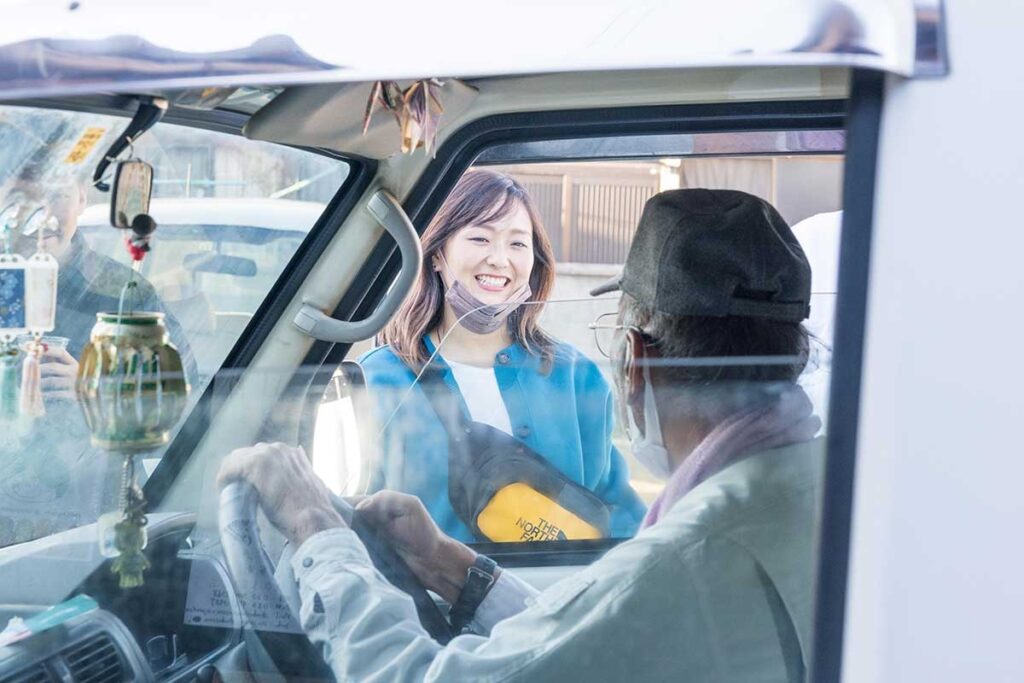
—That’s an everyday experience, isn’t it?
Yes, that’s right.
They say you can smell the unique scent of each house. In fact, there are still many houses with wood-fired baths, so in the evenings, you can hear thick smoke billowing out.
Wherever I’ve lived before, I never really noticed those kinds of things such as smells, but in Teshima, you can see each person’s daily life, and I find it really interesting and enriching that there are so many different smells every day.
I felt the goal was to let guests experience that kind of “everyday richness” during their stay.
So, if we just built a regular, large building and asked people to stay there, it would be a bit different from everyday life on the island, wouldn’t it?
That’s why we designed the buildings to blend in with nature so much that the islanders might even wonder, “Wait, was this road here originally?”
The roof height and building orientation are all uniquely designed after researching all the surrounding houses.
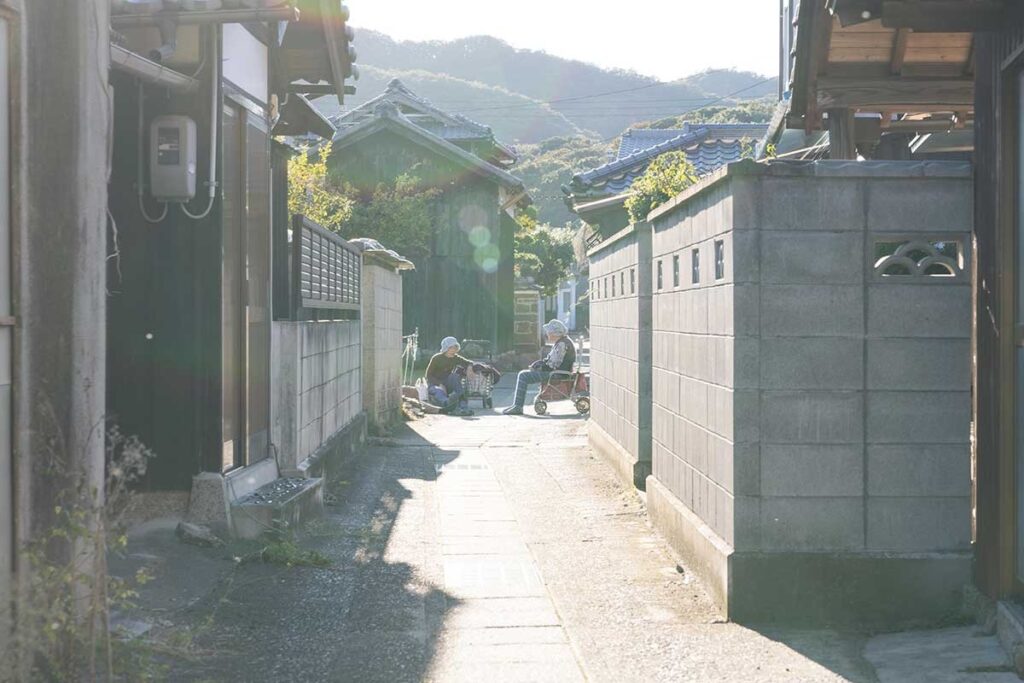
—Even though it would be more economical to build them uniformly, you deliberately design each building differently.
That’s right. By having the buildings blend into the town, tourists can experience the daily lives of the islanders.
If a boundary is created, the guests staying there will no longer be able to experience the everyday life of the island.
—It makes you want to choose which one to stay in.
I’m glad you think so.
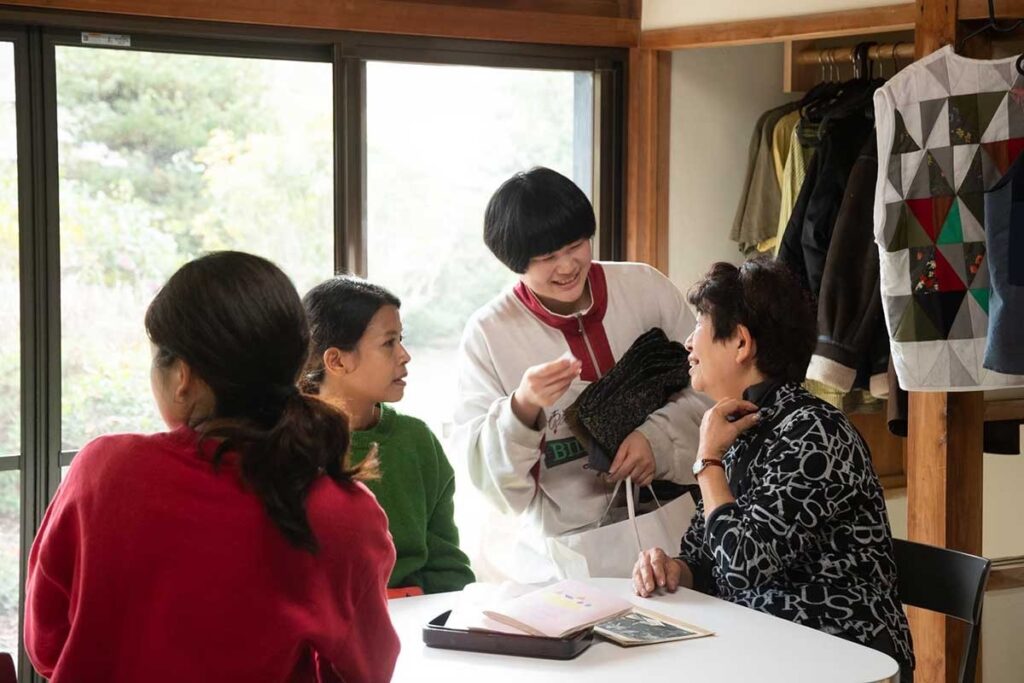
We have a “shared living room” in the common area. It’s designed to be a living room that everyone can use, both guests and island residents.
Staff members are always on hand, acting as a bridge between the islanders and guests, and even holding cooking classes with them. Or sometimes, everyone is just in the same space, reading their own books.
Even if it doesn’t lead to full-fledged communication, I hope it can become a comfortable gathering place where everyone can feel at ease.
—I heard that a similar scene was seen at “Toshima Factory,” which opened earlier.
Yes, that’s right. The islanders often refer to it as a “wellside chat.”
One day, some foreign guests who were drinking alcohol in the sofa area naturally joined in on a casual chat among the islanders, wondering, “What’s going on?” (laughs).
That’s exactly what we’re looking for. A moment when the everyday life of the island and the extraordinary experience of a traveler seamlessly blend together.
—What kind of people would you like to come?
It’s simple, but I’d like people who become fans of Teshima to come.
Currently, we have many visitors from Europe, America, and Australia, as well as people who love art and come because of the Setouchi Triennale.
I think the charm of an island lies in the way time flows and the lifestyle that is close to self-sufficiency.
I feel that if I disregard those aspects, it won’t be like Teshima anymore, so I want to approach that carefully.
—The hotel only has 12 rooms, so it’s designed to accommodate a limited number of people, right?
Yes. I don’t think this is the kind of place where we can expect a large number of people to come.
It’s not easily accessible, and people go to great lengths to come here, so I’d be happy if they left as fans.
—So, what exactly is the appeal of Teshima?
I think there are many different perspectives, but what I find most appealing about Teshima is that it makes incredibly small changes properly.
It’s undergoing various changes, but it’s still maintaining its unique Teshima character. It’s not that it never changes, but rather that it changes while remaining the same. There’s something fascinating about that.
Self-sufficiency rate exceeding 90%—the island’s “normal” was the world’s ideal.
—Please tell us about Teshima’s sustainability efforts.
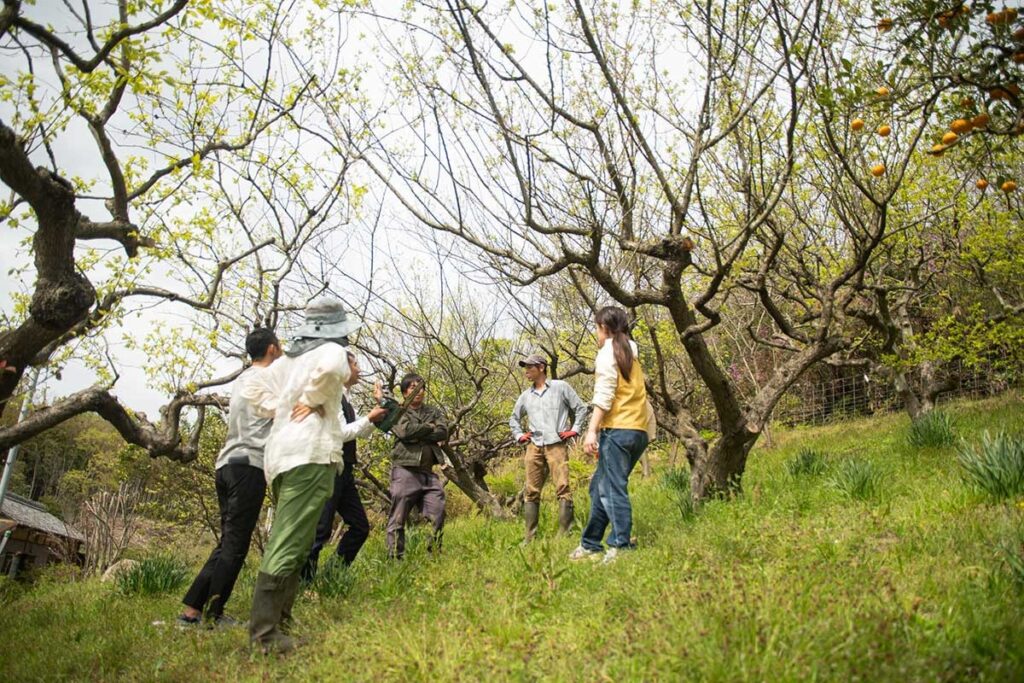
The thing that surprised me the most after living here was that when we tried to emulate the lifestyle of the islanders at Teshima Factory, our self-sufficiency rate exceeded 90% at its highest.
There are no convenience stores or supermarkets on the island. But we have them, so we don’t need them.
—What do you mean?
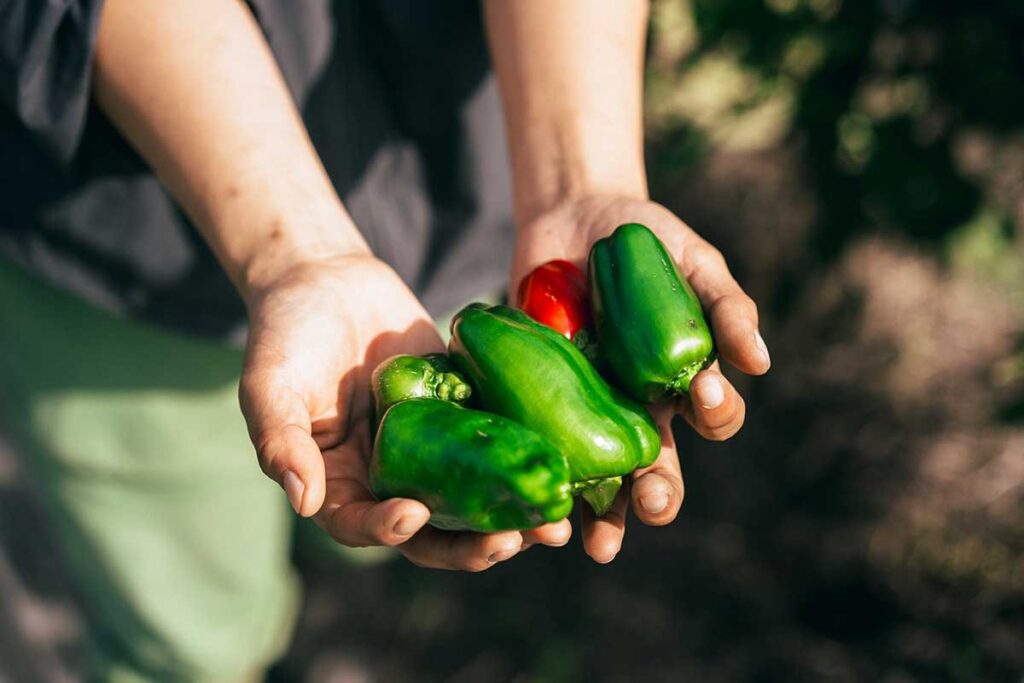
Both agriculture and fishing involve cultivating crops while considering what people want to eat throughout the year.
But that was just the normal way of life for people in the past, wasn’t it?
“It’s better to live with what you have than to go all the way off the island to buy things,” the islanders say. They believe that’s the most natural thing to do.
But while they have vegetables and fish, they don’t have meat.
That doesn’t mean I’ll buy it from a place I can’t see.
If there’s something I absolutely can’t find, I’ll go buy it by boat, which takes 30 minutes.
—So you really have enough?
That’s right. That’s the most important thing.
In the language of the islanders, that’s considered the most normal way of speaking.
I was quite shocked by that.
—When you think of permaculture, you probably imagine going abroad to study it, right?
I never imagined I’d find something like that right in front of me. It was on Teshima Island.
Each person possesses both knowledge and skills. It’s not quite self-sufficiency, but rather a place where the richness of everyday life continues, gradually evolving over time.
I feel that Teshima offers some clues about how regions in Japan should be structured.
I know this might sound presumptuous, but my image is of things remaining true to themselves.
*Permaculture: A concept of sustainable agriculture and lifestyle design that utilizes the mechanisms of nature.
—What is your vision for the future of this project?
First, we’ll focus on Teshima and work on it properly for three to five years.
In ten years, I hope this project will develop into something that connects Japan and Teshima with various other places, while also having more involvement with the surrounding area.
Our staff includes not only Japanese people but also people from Finland and Taiwan, so we hope to expand our reach by leveraging their individual experiences, networks, and historical backgrounds.
Connecting with people around the world through tourism, and sustaining that “everyday life”.
This will make visitors to Japan even more excited.
I believe the core of this project will be creating things while connecting with various regions like that.
“There’s a limit to the number of people you can meet in your life” – Dreams with future friends
—Do you have any plans to increase the number of members in the future?
We are currently recruiting.
However, we’re not publicly recruiting (laughs). We want to expand our network through referrals.
—Why?
Trying to communicate intensely with the person right in front of you takes a lot of time and energy for both of you, doesn’t it?
I believe there’s a limit to the number of people you can meet in your life.
I feel that when we recruit broadly and communicate with people in that way, we sometimes fail to fully grasp their true essence.
That kind of fast pace doesn’t suit Teshima. Rather, it’s better for the island to have good encounters born from the network of people that Taichi (the interviewer) has introduced us to.
—I understand you already have staff members from overseas.
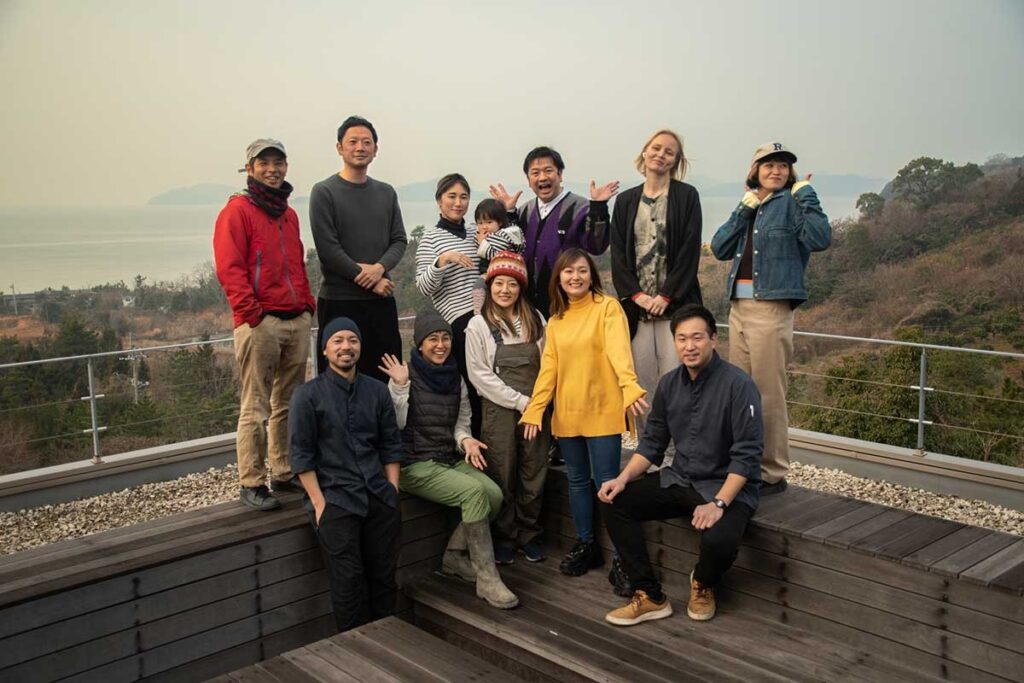
We have one person from Finland and two from Taiwan. Some of them came to us on a working holiday visa through company connections and have since become full-time employees.
This year, we also have an intern coming from the United States.
Everyone blends in really well (lol).
If you’re interested, please come and say hello!
—Finally, please tell us your dreams once again.
It’s the same as what I said at the beginning, but I want to make everyone I meet happy, and I want to create that happiness together with the people in my community and those around me.
However, I want to create a system that properly connects to business. I believe this is something that neither the government nor the private sector has yet achieved.
The islanders who have high expectations of us are all over 70 years old. Now that we’ve involved them, we want to make this sustainable.
In conclusion
“Changing, yet remaining the same”
After the interview, this phrase kept coming to mind. What Mr. Sato sees in Teshima is the preservation of the “ordinary daily life” that the islanders have cherished for many years, while gradually connecting with the world. I felt that this was what he meant by “essence.”
A chance encounter between islanders and tourists from overseas at Teshima Factory. A glass of beer after a day of farm work. A small hotel room blending seamlessly into the town.
I believe each and every one of these is part of the meticulous work of Mr. Sato and his team, aimed at sharing the “ordinary” richness of that island with the world.
He said that time flows differently on mountaintops. Perhaps Teshima is one of those places, one of those “mountaintops.
Why don’t you go and experience that “ordinary life” for yourself?
Interviewer: Taichi Ichikawa
Translation: Martin Summers
Share this story (Short Link)