



I grew up in Senegal, first in a village without electricity, and later on the outskirts of a suburban town.
In my early years, darkness at night was a normal part of life, and scarcity was a constant presence in everyday existence. After school, I usually helped my mother, a trader, sell her products and support my father, a teacher, by organizing his materials. Additionally, I dedicate time to spending with friends to help each other understand the content in classes. These environment tought me how to make the limited resources and fostered a strong sense of resilience. At the same time, deep commitment to integrity. These values shaped my early childhood and formed my character and decision-making, professional ethos.
Growing up in Senegal, I came to understand that agriculture is not simply an economic activity; it is a survival. One day, one farmer told me, “The rain does not wait for subsidies.” That sentence stayed with me and changed the way I see agricultural finance. In West Africa, agriculture is considered a high-risk sector. As a result, access to finance is minimal, especially due to a lack of access to education and limited digital literacy.
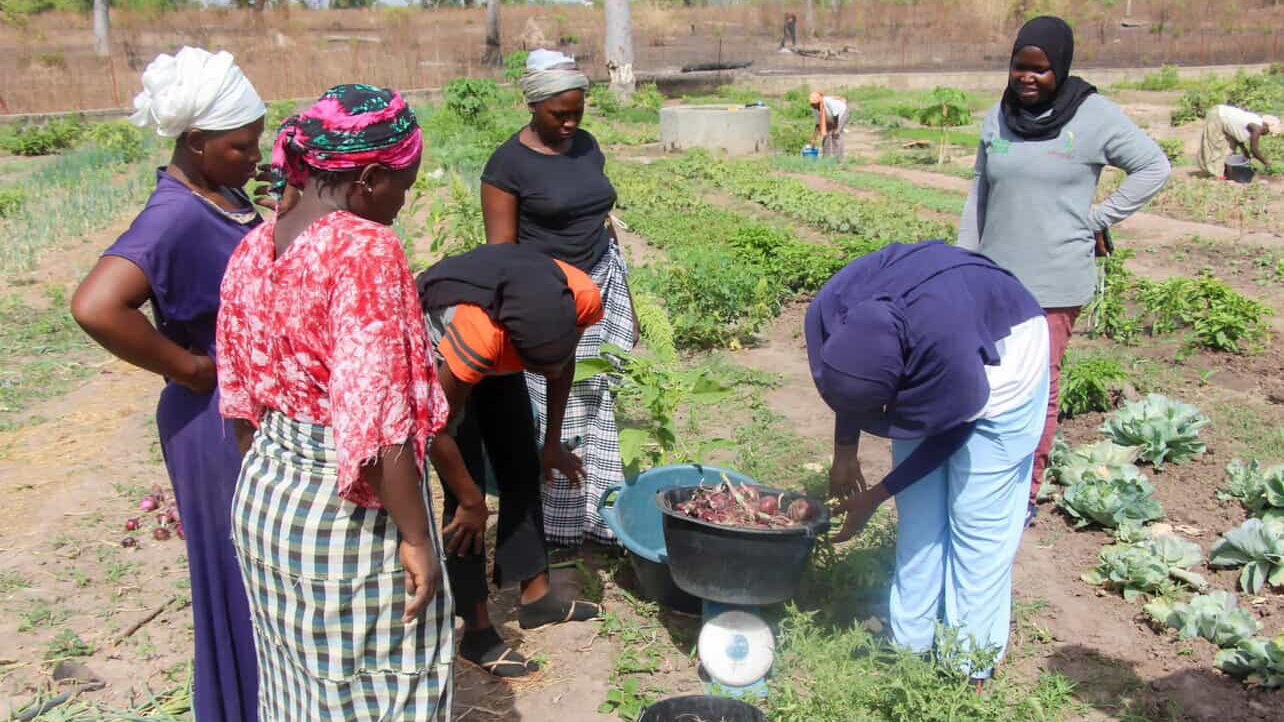
This led us to create simple digital profiles for farmers using farm data, savings history, and field information. These profiles help financial partners better understand farmers and provide loans on time, when they are most needed.
My dream is a world where all farmers can access finance, increase productivity, and support their families without unnecessary barriers.
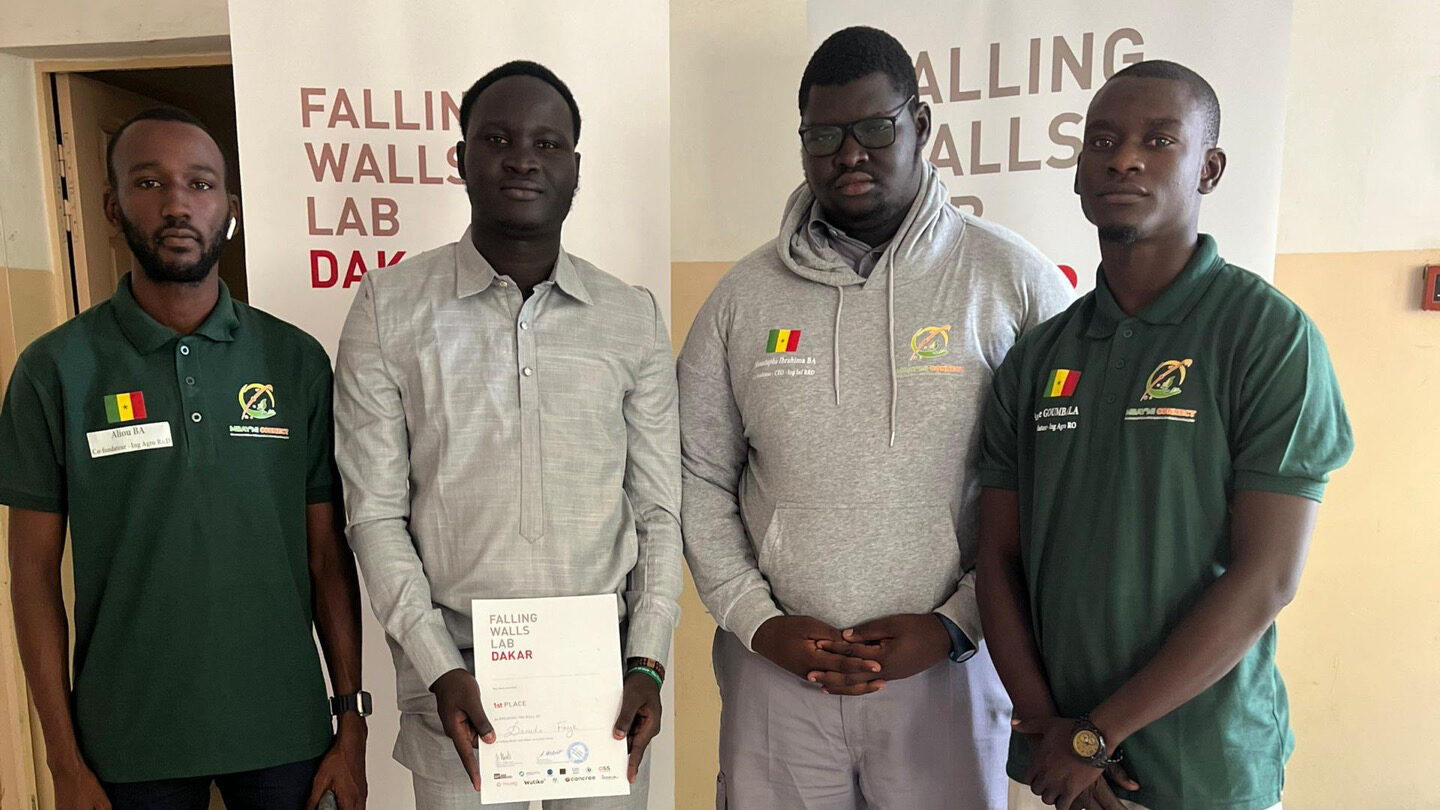
Along the way, we faced several challenges.
The first was electricity, as many rural communities lack stable power. To address this, we partnered with solar energy startups to deliver electricity solutions alongside our platforms.
Since I did not have a background in IT engineering, I also collaborated closely with AI specialists.
Ultimately, I discovered that simply giving money directly does not provide a lasting solution. In the early stages, I believed that access to finance could change farmers’ lives. However, some farmers used the agriculture fund for urgent personal needs rather than for farming. Initially, we were uncertain whether our model was failing. But over time, we realized the deeper issue that money can not solve structural problems when people are under pressure to survive for thwithought guidance. This realization became a turning point, and we began connecting farmers with suppliers, offering seeds and tools, and supporting them through education, monitoring, and follow-up. Through this experience, I learned that real impact is not about distributing funds; it is about building systems that empower people to use resources effectively.
There were different challenges and errors until we built a sustainable system, but I believe it is essential not to fear your experience, even setbacks, because they teach you lessons you could never learn otherwise. Despite many challenges, we have supported over 5,000 farmers, helping them manage farms, increase productivity, and improve their livelihoods.
Looking ahead, I am to scale this model across Africa and build trust-based networks with financial institutions.“Every person has something valuable to offer their community and the world.”
I am truly honored to have the opportunity to interview him again since One Young World Summit 2025 in München ! His inclusive communication skills, leadership, and his keen awareness of glocal issues are truly inspiring! He is also currently working as UNESCO Youth Ambassador, One Young World Summit Ambassador for contributing to the dialogue on building more resilient and inclusive food systems.
Mei Tashiro, Dream Curator
Share this story (Short Link)