



My dream is to rethink how we live in our cities and to help build a healthier, happier, and better-balanced society—one that is more in tune with nature in all its dimensions and that fosters a better relationship with water as an essential element. I believe this vision began in my childhood, shaped by my mother. She was deeply committed to sustainability and ran an organic strawberry farm in Brazil based on agroecology and permaculture systems. Through her example, I realized early on that things could be done differently from mainstream approaches.
This awareness guided my decision to study architecture and urbanism. From the beginning, I was interested not only in individual buildings but also in how living spaces are shaped and how they affect everyday life. After graduating, I spent more than eight years working in architectural practice. Over time, however, I began to question whether this work was creating enough impact. The COVID-19 pandemic became a turning point. It made me realize that even the best-designed buildings lose much of their value when placed within chaotic urban environments—especially in cities with poor mobility, inadequate drainage, and weak waste-management systems. I wanted to engage more directly with challenges at the urban scale.
This led me to pursue a master’s degree at University College Dublin, where I focused on climate action within architecture and urbanism. There, I fell in love with the concepts of green infrastructure and nature-based solutions. They offered a way to work with natural systems rather than against them and to address structural urban challenges in a holistic way. Among these challenges, rainwater management stood out as one of the most critical in the Mozambican context.
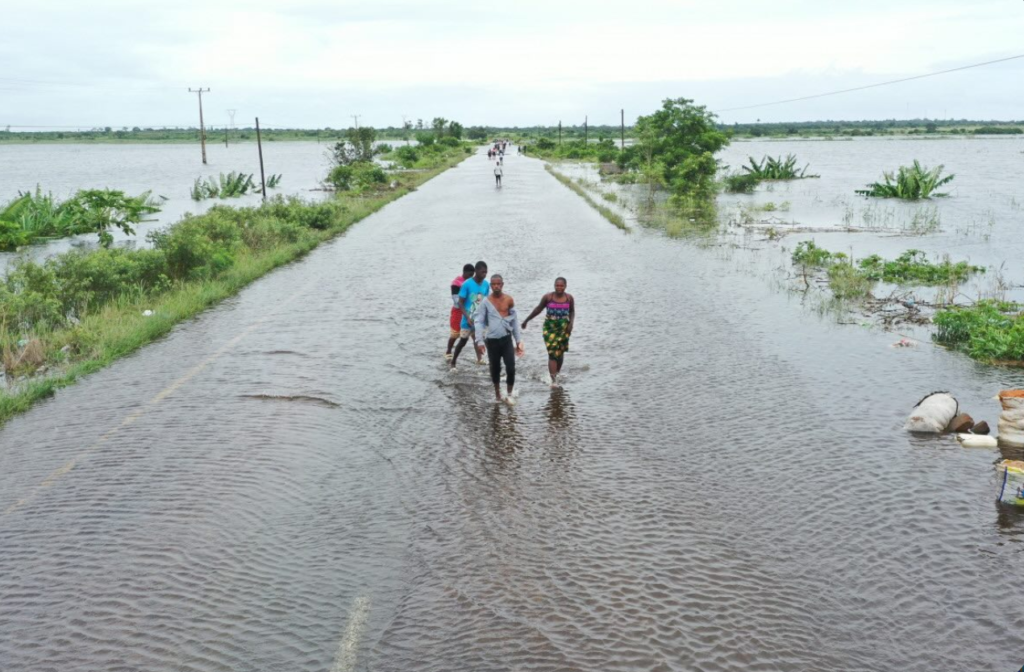
Mozambique is rich in natural resources and landscapes, yet it is highly vulnerable to climate change, with flooding and drought as two major and interconnected challenges. The rainy season can last up to five months and often causes severe flooding, material damage, risks to lives, disruption to mobility and productivity, and stagnant water that increases disease risks. Paradoxically, even during the rainy season, water supply is often cut because treatment plants can be flooded or operate at reduced capacity. In simple terms: too much water in the streets, no water in the tap. Growing up in this context made me realize that conventional urban solutions were insufficient and strengthened my desire to seek alternative, more sustainable approaches.
After completing my master’s degree, I founded a start-up dedicated to developing sustainable drainage systems based on nature-based solutions. These systems are designed to manage rainwater, increase soil absorption, reduce flooding, filter pollutants, and store water for future use, thereby improving urban resilience and water security. Providing certified drinking water is a long-term goal, but we are not there yet, as certification standards are strict.
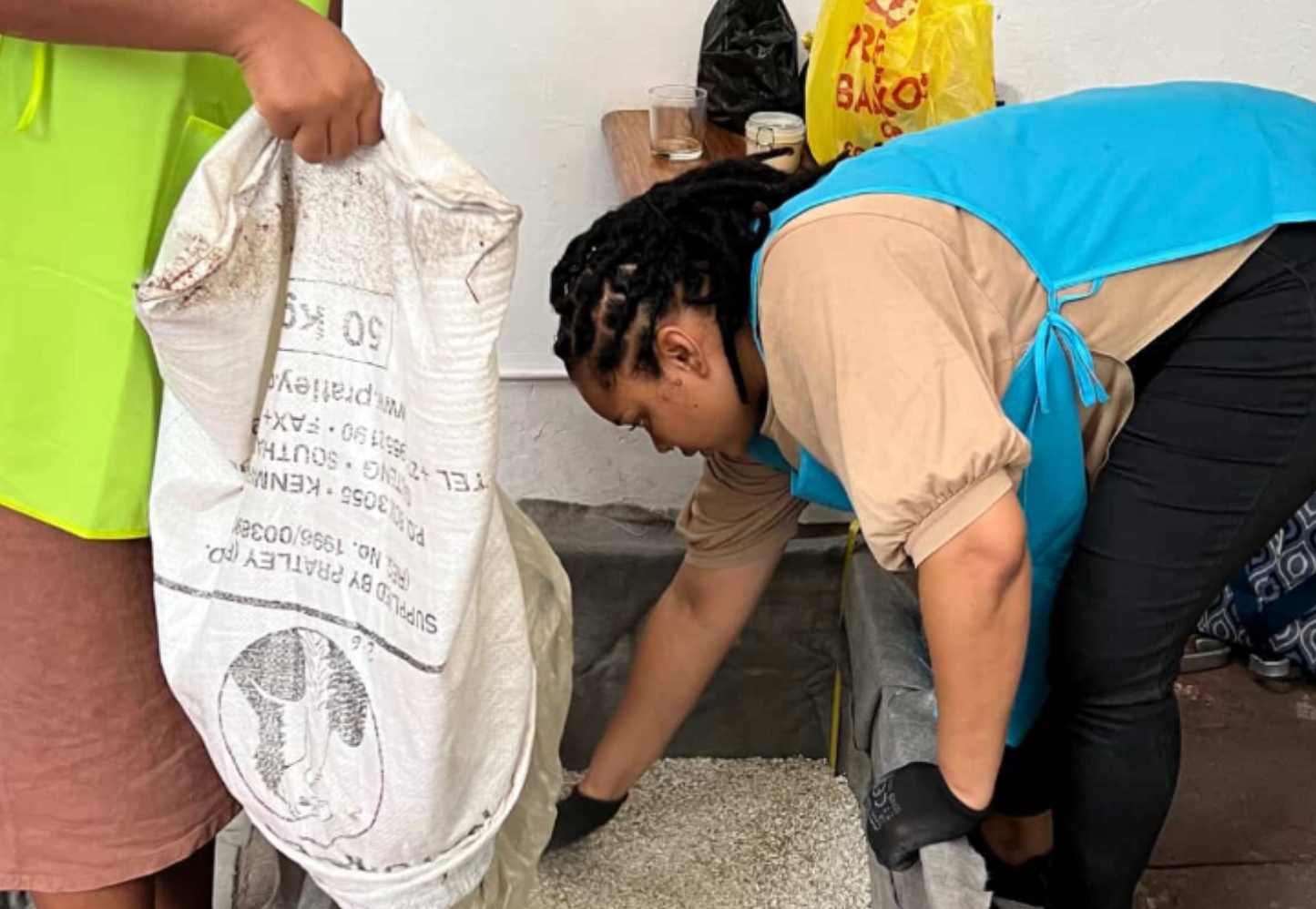
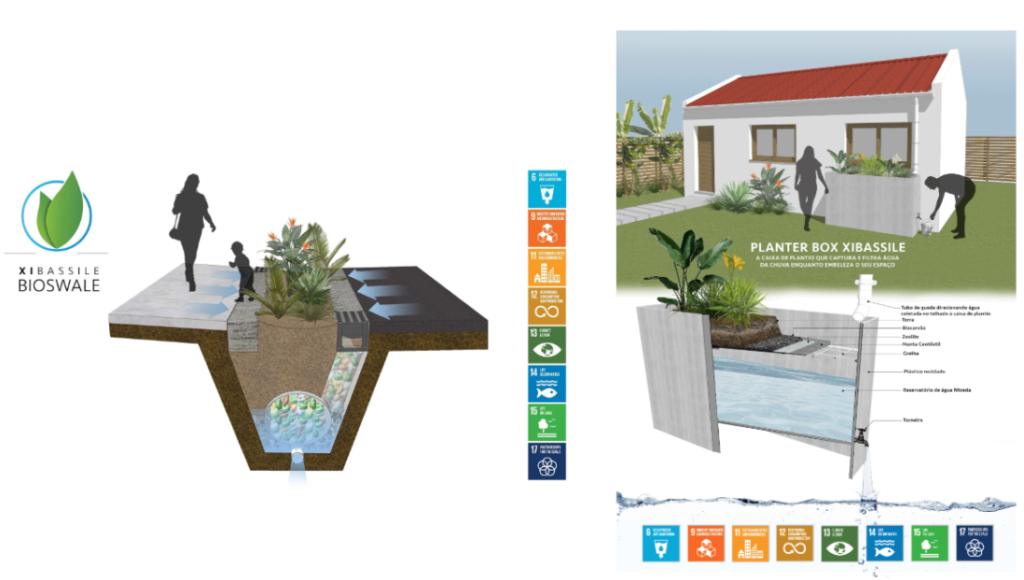
Today, my team is developing two main types of systems: a bioswale for urban-scale water management and a compact planter-box model for households and commercial buildings. A drainage system is, in simple terms, the way a city removes excess water after rainfall. When rain falls on impermeable surfaces such as roads or playgrounds, the water has to go somewhere; otherwise, flooding occurs. By collecting rainwater from rooftops, filtering and storing it, these systems reduce flood risks while simultaneously enhancing the urban landscape. In some of our solutions, rainwater management is also linked to waste management, as we repurpose solid waste as construction material.
Along the way, I have faced two major challenges. The first was bureaucracy and the slow pace of legal registration, which can be discouraging for entrepreneurs trying to follow proper procedures. My team and I responded with persistence, visiting government offices daily, monitoring progress, and pushing the process forward until registration was complete.
The second challenge was funding. Coming from an architectural background, I sought business training through several entrepreneurship programs. These provided mentorship, financial and marketing skills, strategic guidance, and invaluable professional networks.
Through patience, purpose, and clarity, I continue to move forward, driven by a passion for building more sustainable cities. My message to others is simple: seek holistic solutions and place nature at the center of how you work. Nature already holds many answers. Focus on what truly matters to you. Failure is not the end—it is a lesson. We are here to learn, and every failure is a blessing.
She was also the very first person I spoke with at the One Young World Summit 2025, which makes her especially memorable to me. As I listened to the challenges she is tackling and the work she is leading, I learned that she is not only an entrepreneur but also a mother. I was truly overwhelmed and inspired by her strength and incredible energy.
Mei Tasihro, Dream Curator
Share this story (Short Link)