



I grew up in Nairobi. There, waste issues were part of daily life. Seeing pollution from childhood shaped my perspective on the environment and how to solve it.
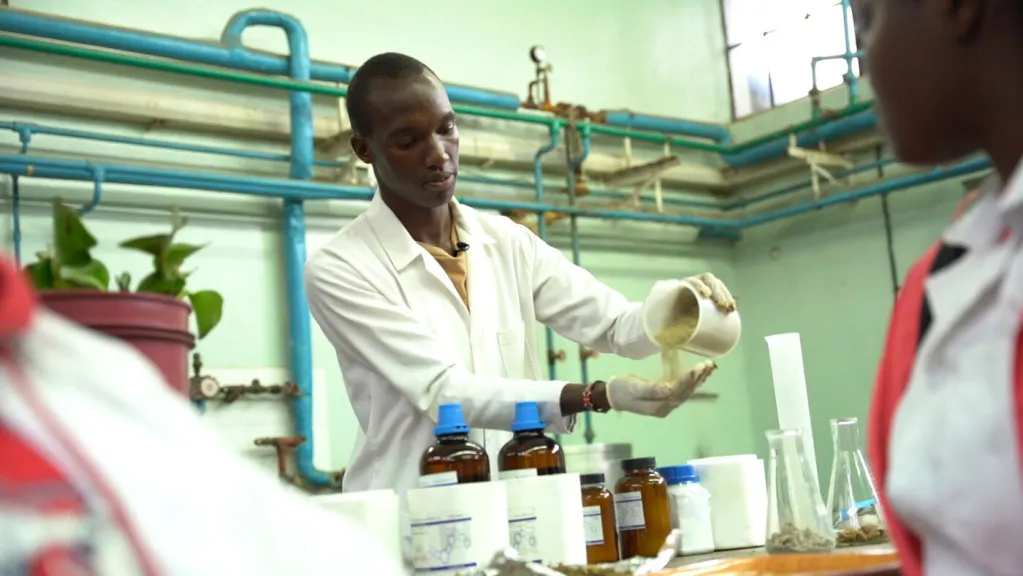
My startup, HyaPak, which transforms harmful aquatic plants into biodegradable packaging, began as my final university project. At the time, Kenya had banned disposable plastic bags—a major step forward. But globally, there aren’t enough viable alternatives to fully replace plastic. Even when alternative materials exist, they face challenges in performance, cost, specifications, and other areas. My goal is to create a material that looks like plastic, functions like plastic, and decomposes after use.
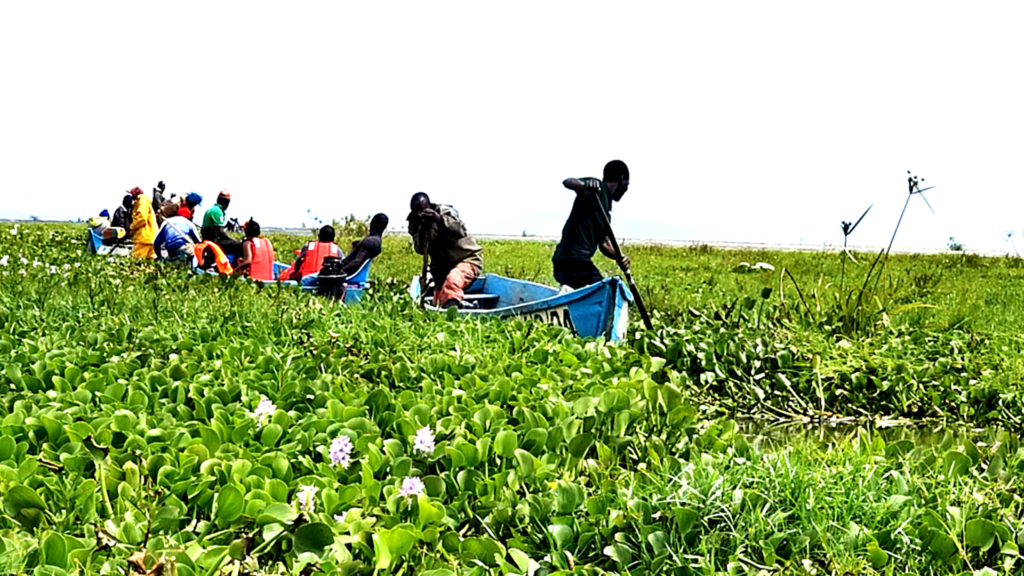
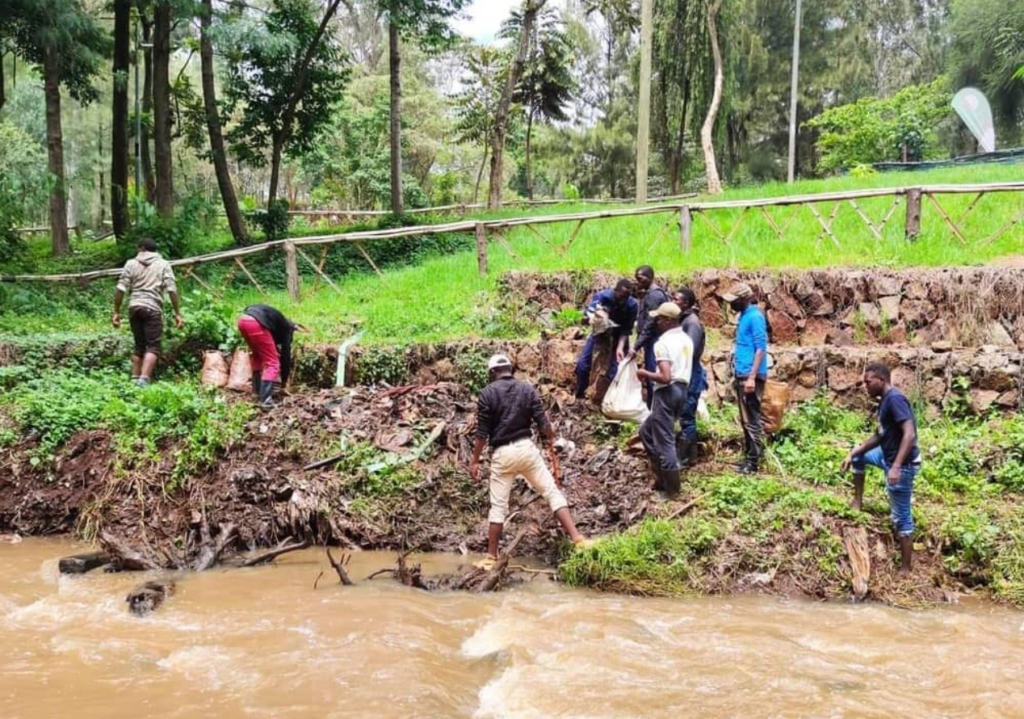
That’s when I turned my attention to water hyacinth. It is one of the world’s most invasive aquatic plants, destroying the ecosystems of lakes and rivers. At the same time, it is an abundant, untapped resource. By turning this plant into biodegradable packaging, we can use one problem to solve another. It’s truly killing two birds with one stone. Furthermore, through the harvesting and processing of water hyacinth, HyaPak has created more than 45 green jobs in local communities and contributed to the restoration of ecosystems by removing water hyacinth from more than 20 hectares of waterways.
If the world is to reduce its use of fossil fuels, it is only natural that we need to find alternatives to petroleum-based plastics. Our goal is to contribute to that transition.
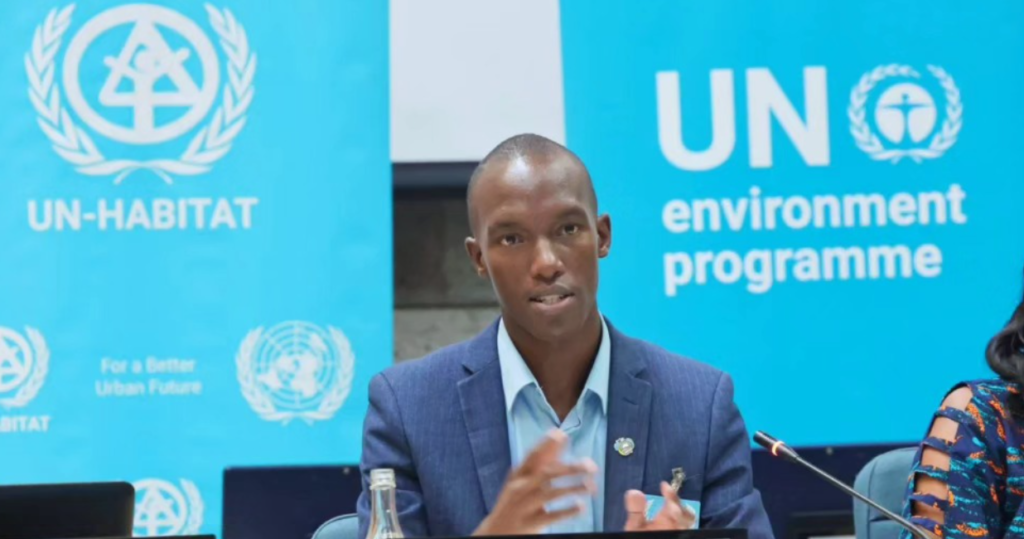
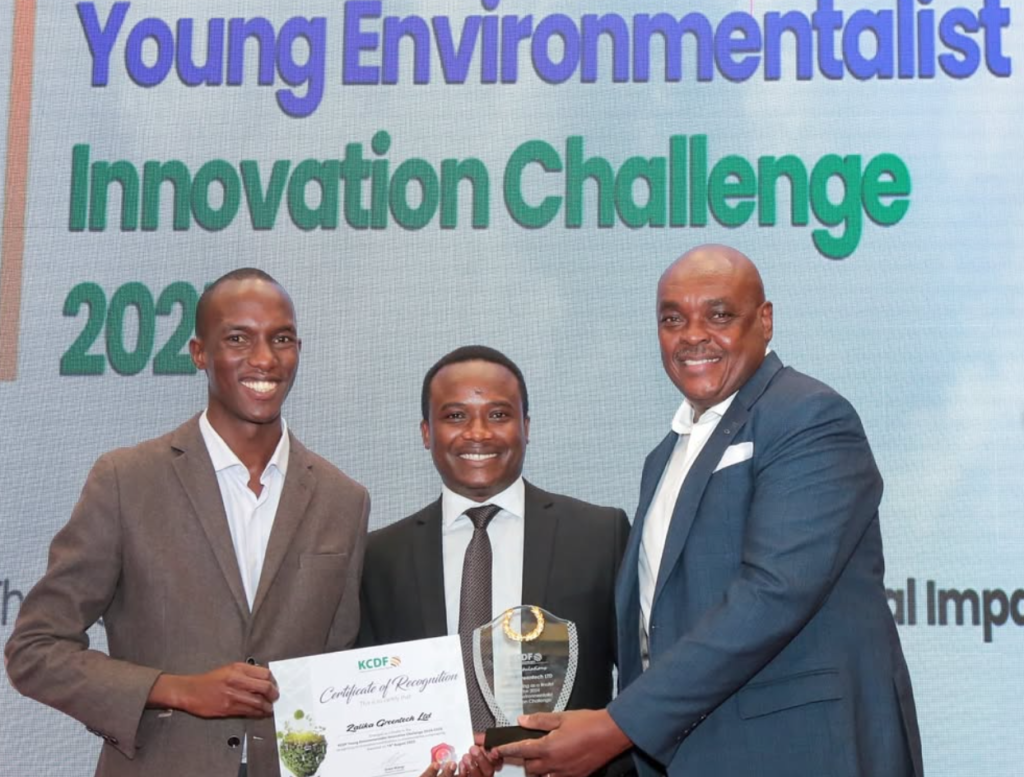
As a result, HyaPak was selected as the best startup in the “Nature, Food, and Water Systems” category at COP28. It was also recognized by the East African Community (EAC) as Kenya’s best innovation and was selected by Yale Africa Startup Review as one of the top 30 startups in Africa.
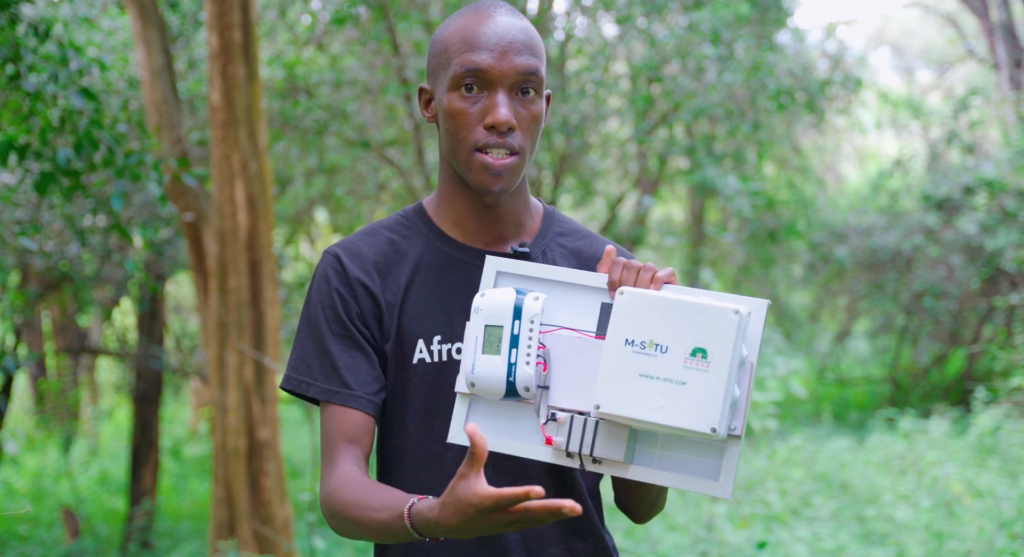
Another project,M-Situ, was conceived during a stay in Greece through an Obama Foundation program. A heatwave triggered massive wildfires, causing many people to lose their homes, possessions, and even their lives. We witnessed the devastation firsthand. Upon returning home, we began developing a solution. Our device incorporates sensors that, through machine learning, can detect smoke, heat, and chainsaw sounds. The device covers a 1km radius. When it detects an anomaly, a GPS-tagged alert is sent to a mobile phone. This enables rapid response and, crucially, the awareness of being monitored also acts as a deterrent against illegal logging.
In Africa, environmental and social issues cannot be considered separately, because youth unemployment is a severe problem. That’s precisely why our efforts must not only protect the environment but also create jobs and economic opportunities. For us, sustainability involves both ecosystems and society.
However, this journey has been far from smooth. The biggest challenge is securing funding. In Africa, investment capital is limited, and the environment isn’t yet sufficiently supportive of new ventures like Silicon Valley. My background is in engineering, and I had no business knowledge whatsoever, so I learned step by step through trial and error.
Fear is not a bad thing; it is energy for growth. No one starts with a perfect blueprint. What makes the difference is the power to believe in yourself and the will to take that next step forward.
My future goal is to grow HyaPak into the world’s largest sustainable packaging company. Water hyacinth remains a problem in over 70 countries today, which also means it holds the potential to create jobs globally. Socially, I also want to create many job opportunities in this field.
Regarding M-Situ, my future vision is to make it open-source, enabling implementation in any country. Wildfires and deforestation are increasing worldwide, and solutions should not be limited to specific regions. My ultimate goal is simple: I want to contribute to protecting humanity.
Since meeting him at the One Young World Summit 2025, I later had the chance to interview him and gain a deeper understanding of his journey.
What struck me most was not only his courage to keep moving forward without any formal business background, but also his remarkable ability to turn a harmful water plant into a solution that addresses two global challenges at once.
I was truly inspired and honestly, overwhelmed by his vision and creativity.
Dream curator Mei Tashiro
Share this story (Short Link)